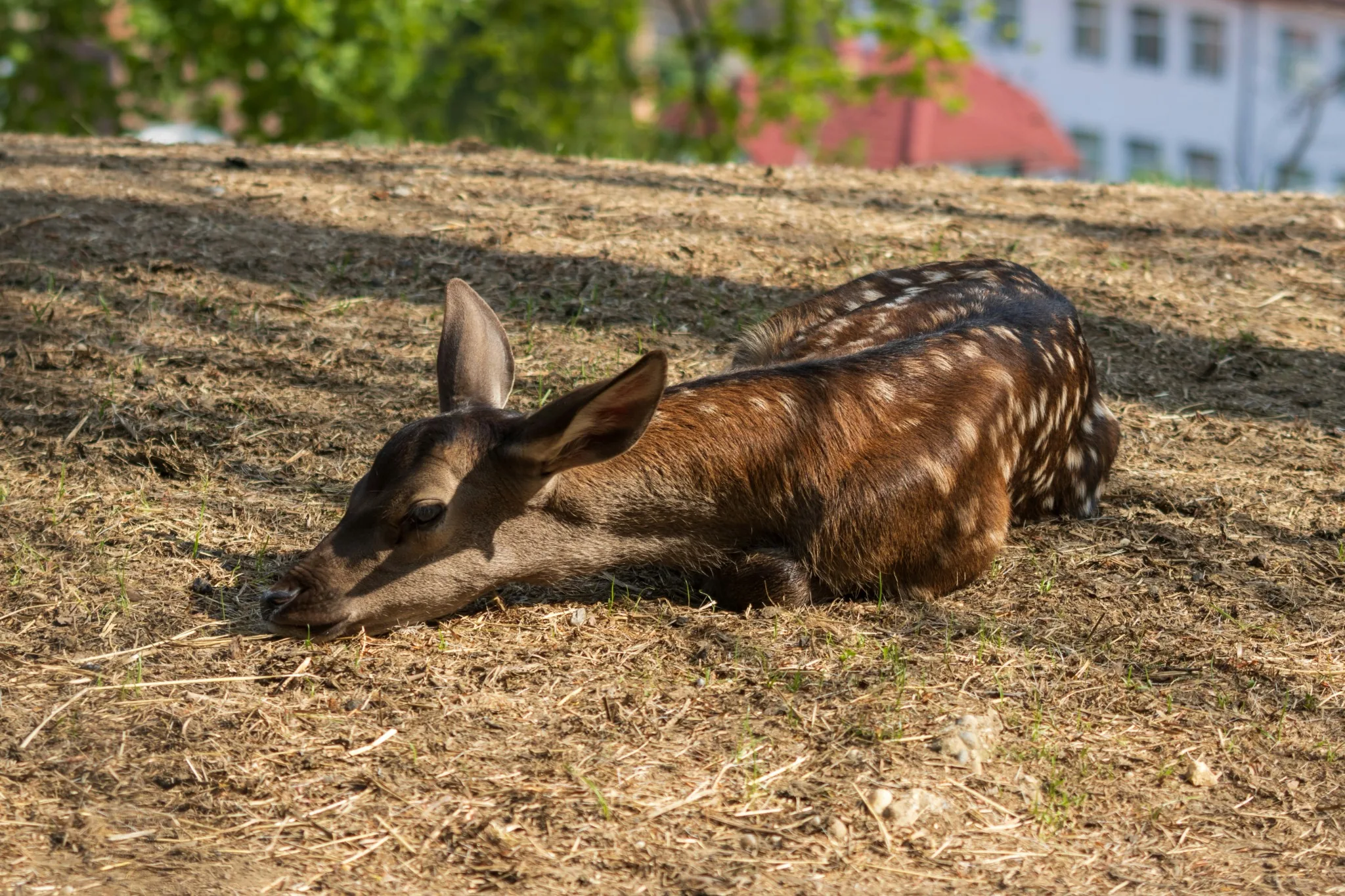
Restored shoreline and forest

Why This Matters

Restoring native forest habitat brings wildlife back, rebuilds the food web, and protects our island for future generations.

Impact at a glance

3x
Increase in wildlife activity
50+
Native trees and shrubs restored
18 mo
Timeline for first recovery zone
365d
Water and food support for wildlife

What restoration changes

When ivy, blackberry and Scotch broom take over, they choke out the native plants that birds, pollinators and small mammals depend on. By removing invasives, replanting native trees and shrubs, and providing water and shelter, we rebuild the forest structure that wildlife needs to survive.

The result is a living food web again: seeds, nuts, insects, fungi and clean water that support everything from mason bees and frogs to owls and Douglas squirrels.

Species spotlight: Douglas squirrel

Douglas squirrels are small, active forest squirrels that help spread seeds and underground fungi. Their presence shows that there is enough food, cover and connected habitat for them to move through the forest.

After clearing invasives and restoring native canopy and understory, Douglas squirrels have returned to our project area. Seeing them again is one of our clearest signs that restoration is working.

Help expand the recovery zones

Your donation funds invasive removal, native plantings, wildlife water sources and monitoring so we can repeat this success in more parcels around the island.

Donate now to restore habitat